Lead Generation Company Solutions
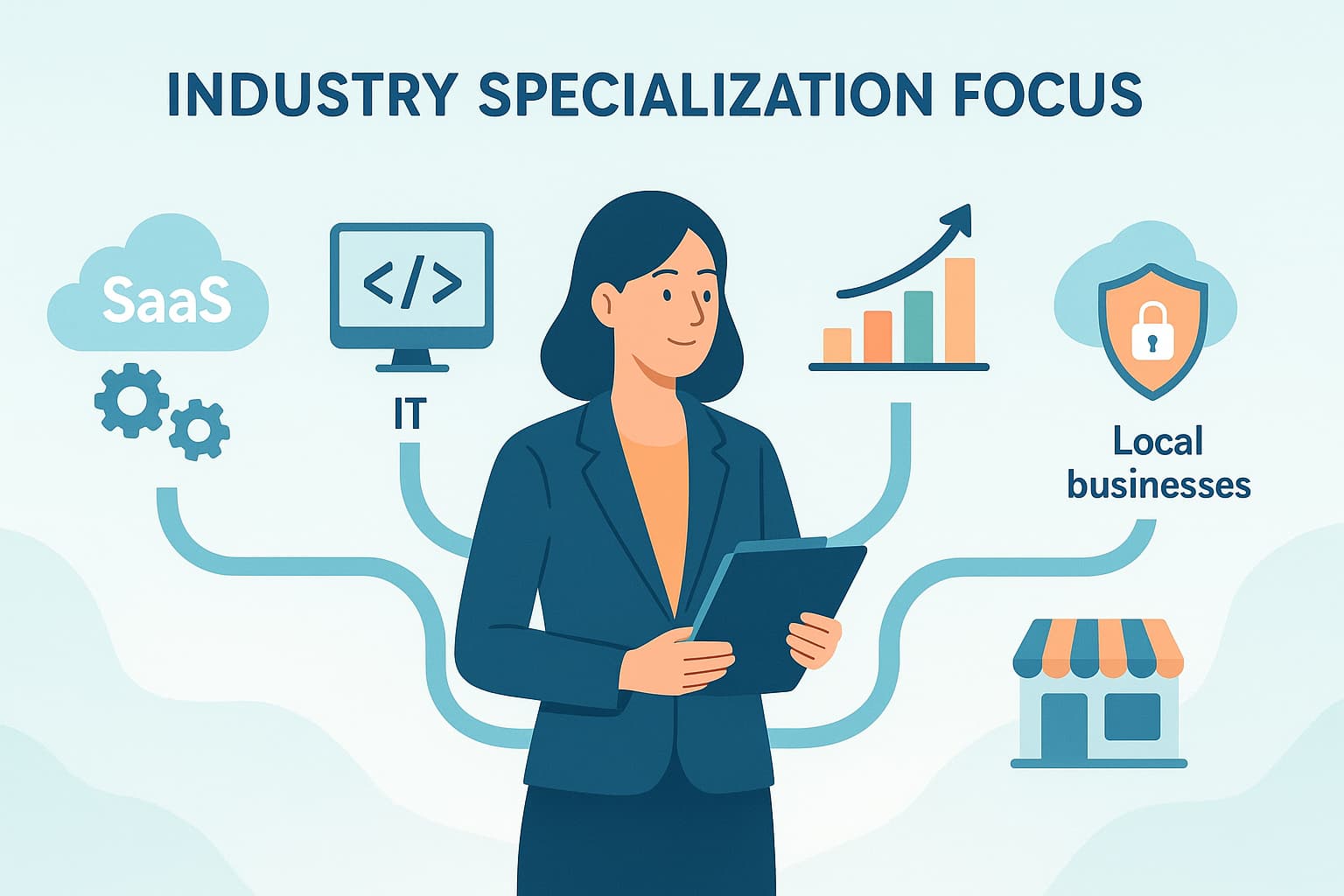
Most companies chasing B2B leads treat the market like it's all the same. They're wrong. An agency that knows healthcare inside out the compliance demands, the decision making committees, the 18 month sales cycles will outpace generalists every time. Same goes for someone focused on Saas. They get it. They understand what keeps a CTO up at night, how procurement teams actually work, why a six figure deal moves at its own pace.
When you pick a lane and stay in it, your messaging stops feeling generic. Your targeting becomes surgical. You're not burning the budget on tire kickers anymore. You're talking directly to people who have actual problems you can solve. The question isn't whether specialization matters, it's how fast you can capitalize on it once you do.
Key Takeaway
When a sales strategy gets built around what actually moves a specific buyer to act, the leads that come through tend to be worth more time and close faster.
Someone who understands how an industry works, the budget cycles, the pain points, the decision makers can spot opportunities in a pipeline that others might miss, which usually means better returns.
Agencies that focus on one sector learn the particular roadblocks their clients face, which means they waste less energy on approaches that simply don't work in that space.
Healthcare Lead Generation: Precision Matters
Healthcare lead generation agencies work differently than most people think. They're not randomly casting nets and hoping something sticks. Instead, they use what's called intent driven prospecting basically, they track down prospects who've already shown they're interested in what you're selling.
AI helps them do this faster and smarter. The result? Sales teams aren't wasting afternoons chasing people who'll never buy. They're talking to actual decision makers: hospital administrators, medical directors, people with real authority and budgets.
When you outsource this work, something practical happens. Your acquisition costs drop, sometimes significantly. You also get appointments scheduled with the right people, not just warm bodies filling a calendar.
Here's what changes when you bring in the professionals:
AIdriven targeting cuts through the noise. You reach people actually looking for solutions.
Focusing on qualified leads means your sales team stops spinning wheels. Money stays in your pocket instead of bleeding into cold calling.
The appointment setting process gets built around how healthcare buyers actually make decisions, not some generic sales playbook.
The healthcare world comes with real restrictions. HIPAA, compliance rules, regulatory landmines everywhere. A good lead generation agency knows this landscape. They keep your pipeline moving without creating legal headaches that could shut you down completely. That's why healthcare lead generation has become such a critical piece of B2B marketing strategy.
Lead Generation for SaaS Industry: Nurturing the Buyer’s Journey
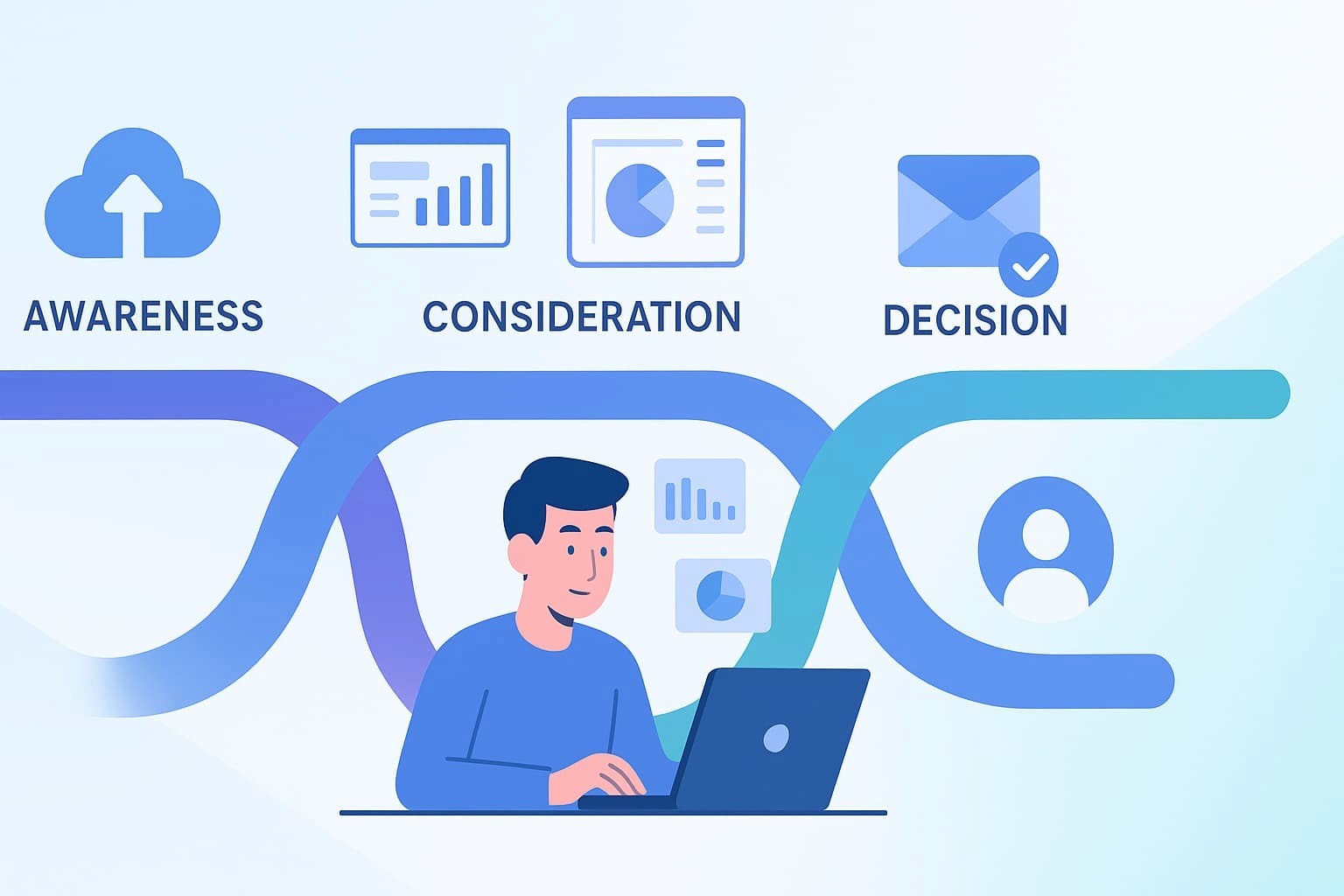
SaaS companies face a stubborn problem. Their lead to customer conversion rate hovers around 1.7%, which means for every hundred prospects, barely two become paying customers. Paid advertising pulls in leads at roughly $310 each, while organic channels deliver them closer to $164. Spend that kind of money on prospects who might vanish into thin air, and the math gets ugly fast.
But here's what separates struggling SaaS operations from the ones that thrive: they understand that buyers don't flip a switch and decide overnight. Most SaaS prospects need time, multiple conversations, real proof that a product works for their specific situation. Content marketing carries most of the weight in this space roughly 85% of SaaS marketers lean on it as their primary engine.
LinkedIn and Google Ads tend to surface the buyers who are actually hunting for solutions right now. Automation platforms, meanwhile, handle the repetitive work of staying in front of prospects across email, ads, retargeting. Sales teams get to focus on conversations instead of manual follow ups.
The real payoff comes from multi touch nurturing, which actually shortens sales cycles. Precise targeting means less wasted budget on people who'll never buy. Automated outreach keeps prospects from slipping away while they're still deciding.
For SaaS leaders, the core tension remains the same: balancing volume against quality. That requires strategies built specifically for the software space, not generic playbooks.
Manufacturing B2B Leads: Technical and Personal
Manufacturing is a different beast altogether. The sales cycles stretch out over months, sometimes longer, and you're not dealing with one person making the call. Engineers want to see the numbers. Procurement officers care about cost and delivery timelines. Operations managers think about how equipment fits into existing workflows. They're all reading different things, asking different questions.
Detailed specs matter here. So do case studies that show real results from similar operations. Face to face conversations still carry weight in this world, maybe more than in other industries.
SEO tactics have to be surgical. Generic keywords won't cut it. You're targeting phrases like "aerospace grade fastener suppliers" or "food grade conveyor belt manufacturers," not just "manufacturing." The search intent is specific, and the people searching already know what they're looking for.
Trade shows remain critical for vendor discovery. Manufacturers still walk those floors. They're looking at booths, picking up spec sheets, talking to sales reps who understand their equipment. You can't replicate that interaction online.
What actually moves the needle:
LinkedIn content that speaks to technical audiences works. Not fluff. Resources like industry whitepapers, equipment comparisons, or case studies about production efficiency gains. The content needs teeth.
Leads need context rich materials, like CAD files or specification sheets. Someone in engineering doesn't want marketing copy. They want downloadable resources that answer their actual questions.
Multi stakeholder sales cycles require a different approach. You're reaching out to the engineer separately from the procurement person. Different messages, different channels sometimes. Layering your outreach means hitting all the decision makers with relevant information at the right time.
Manufacturing lead generation works best when the people handling it understand both the technical side and how relationships actually build in this space. It's not transactional. It's methodical.
Specialized B2B Agency Wyoming: Local Focus, Big Results

Wyoming based specialized B2B agencies apply a data driven approach with PPC, account based marketing, and geo targeting (1). These agencies understand how to reach the right prospects at the right time through retargeting and first party audience onboarding. From SaaS to eCommerce, these firms handle everything campaign execution, lead nurturing, and post event follow ups.
Geo targeting sharpens audience focus.
Full service campaigns improve conversion rates.
Local expertise adds precision to every campaign.
A Wyoming agency knows something outsiders miss: the nuances of doing business in this state. When your company operates here or nearby, that local knowledge matters. These firms don't just throw money at ads and hope something sticks. They dig into what actually works for businesses in your region, then build campaigns around those specifics. Better targeting means better leads. Better leads mean a healthier return on what you're spending.
Why Industry Specialization Makes a Difference
A lead gen professional who spends years in one industry starts to see patterns the rest of us miss. They know when decision makers check their email, what keeps them up at night, how long a contract takes to close. That knowledge changes everything about the work.
When someone specializes, their messages stop sounding like templates. They mention specific regulatory hurdles their prospects face. They reference industry benchmarks people actually recognize. Buyers notice the difference immediately, and it shows up in response rates that are often two, sometimes three times higher than generic campaigns. The conversion rates follow.
There's also the practical side specialized outreach doesn't waste energy on dead ends. A lead gen person working in healthcare knows which hospitals are upgrading their systems in Q3, which means they reach out at the right moment. That timing precision cuts down wasted effort and builds a steadier pipeline.
Tailored messaging hits different. When you mention HIPAA compliance without being asked, or reference ERP implementation timelines, buyers listen. It signals you actually understand their world.
Regulatory knowledge keeps you safe. Financial services has SEC rules. Healthcare has HIPAA. Manufacturing has industry certifications. Knowing these prevents the kind of outreach that triggers compliance departments and tanks your reputation.
Scalable outreach keeps things moving. Consistent messaging across accounts means consistent results. The pipeline stays full because you're not starting from zero with each prospect.
Tech companies, financial institutions, manufacturers, and healthcare providers especially need this specialization because their buying processes are complicated and their problems are specific. Generic approaches don't cut it in those spaces.
Lead Generation for IT Consulting, Cybersecurity, and Financial Tech
IT consulting firms rely heavily on content marketing, LinkedIn networking, and thought leadership to pull in clients worth their time. Cybersecurity shops take a different approach they're hunting specific decision makers who lose sleep over risk exposure, so they stick to B2B channels that actually reach those people.
Fintech companies, meanwhile, have figured out that outbound sales need to match how financial services buyers actually make decisions (which isn't straightforward, by the way).
There's a reason this works:
Content builds trust because people can see you know what you're talking about
Going after a niche means your message doesn't get lost in the noise
Outbound strategies that fit your industry pull better responses than generic pitches
The real difference between filling a pipeline and filling it with prospects who'll actually buy comes down to precision. It's the difference between casting a wide net and knowing exactly where the fish are feeding.
Outbound Sales for Cloud Software and Enterprise Solutions
IT consulting firms lean on content marketing, LinkedIn networking, and thought leadership to attract clients worth the effort. Cybersecurity companies operate differently they're searching for specific decision makers who worry constantly about risk exposure, so they focus on B2B channels that actually reach those people.
Fintech businesses discovered that outbound sales work better when they match how financial services buyers really make purchasing decisions (which isn't simple, frankly).
Here's why this approach sticks:
Content builds trust because prospects see you understand the problem
Targeting a niche prevents your message from disappearing into the clutter
Outbound work that fits your industry gets better responses than generic cold calls
The difference between a full pipeline and one filled with actual buyers comes down to being specific about who you're after. One approach throws everything at the wall. The other knows where your buyers actually spend their time.
Recruitment, Staffing, Logistics, and Supply Chain Lead Generation
Recruitment agencies hunt for HR directors and hiring managers. Staffing firms do the same. They need to know who's actually making the hiring calls at any given moment.
Logistics and supply chain companies face a different challenge. They're reaching for operations managers, the people who watch inventory levels and coordinate shipments. These folks show up at industry conferences. They read technical reports. They scroll through LinkedIn between meetings. A supply chain firm that understands this can cut through the noise.
Both sectors share something: B2B relationships aren't simple. There's no single path. A logistics manager might report to a VP who answers to a director. Before any pitch lands, a company needs to map out who decides what.
What actually works:
Direct outreach finds decision makers where they sit. A phone call to the right person beats a thousand mass emails. Recruiting firms that call HR heads at 9 a.m. on a Tuesday, with something specific about their hiring goals, get responses.
Industry events create space for real conversations. A supply chain conference isn't just booths and handouts, it's where operations managers gather to solve problems they're actually facing. Face to face means trust builds faster.
Digital campaigns keep leads flowing between those big moments. Email sequences, webinars, targeted ads they work best when they're timed to hiring seasons or peak logistics periods. The key isn't being everywhere. It's being there when someone needs help.
Success comes down to knowing the sector. What keeps an operations manager up at night? When do companies typically hire? Which conferences matter? These answers change everything.
UK Tech Companies’ Lead Generation Approach
UK tech firms are discovering something worth paying attention to. When they zero in on specific audiences with the right content, paid search ads, and LinkedIn outreach, they actually get somewhere. It's not about casting a wide net anymore, it's about knowing who wants what you're selling.
Account based marketing works because it respects how different regions do business. What matters in London might not matter in Manchester. Tech adoption speeds up and down depending on where you're looking, and smart companies notice this. They build campaigns around these patterns, not against them.
Here's what actually moves the needle:
Regional targeting makes your message stick harder. When a prospect sees something built for their market, they pay attention.
Account based marketing lets you talk to specific decision makers like you know them. Personalization goes deeper than names in emails, it's understanding their actual problems.
PPC campaigns put your company right where people are searching. More visibility means more qualified leads walking through the door.
The real advantage? This approach cuts through the noise. In a market where everyone's competing for the same attention, these firms build something stronger. They create pipeline momentum that actually holds, and they do it by treating their market like it matters, because it does.
Practical Advice: How to Use Industry Specialization Today
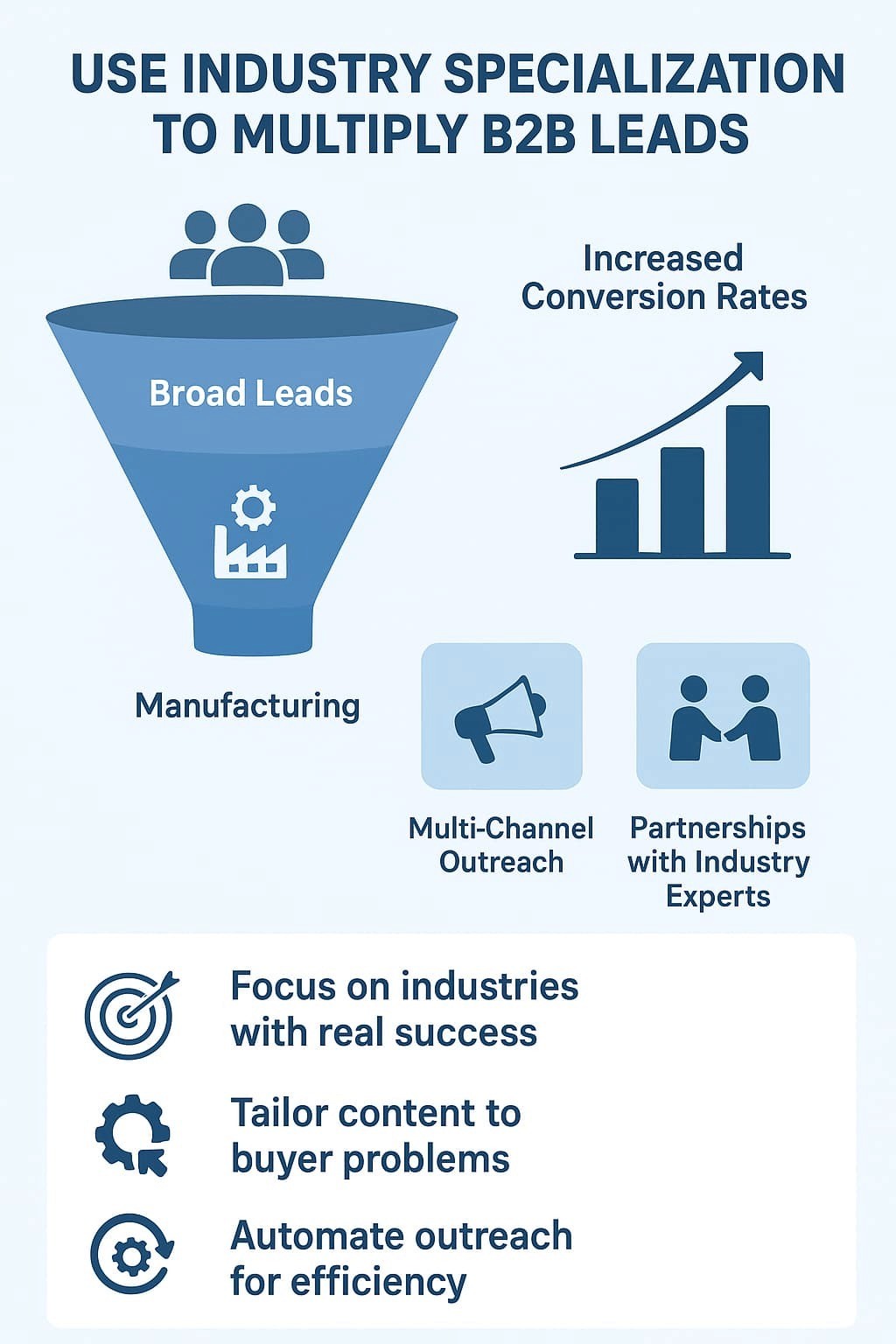
Most people think narrowing your focus in B2B lead gen feels like shooting yourself in the foot. But here's what actually happens when you pick the right industry to specialize in your results multiply. Seriously multiply.
Start by looking at the leads you've already got. Which ones turned into paying customers? Which industries did those come from? That's your baseline. Once you know where your wins live, you can stop chasing every possible angle and double down on what works (2).
Now comes the part that changes everything: tailor what you're saying to those specific sectors. A manufacturing company cares about different things than a healthcare provider. Their problems aren't the same. Their budgets work differently. Their buying cycles move at different speeds. When you write your emails, create your landing pages, or record your videos, speak directly to those particular headaches.
If you don't have deep knowledge in a specific industry yet, find someone who does. Partner with agencies that've already spent years understanding how your target market operates. They know the language. They know who matters in those decisions. They know what objections come up every single time.
Then there's the technical side. Use AI tools to sort through your leads and figure out which ones actually matter for your chosen industry. Some platforms can score leads based on how relevant they are to your sector it saves you from wasting time on prospects who'll never convert anyway.
Keep these points in mind:
Stick with industries where you've already seen real success
Create content that tackles the exact problems your buyers face in that sector
Run your outreach across multiple channels, let automation handle the repetitive stuff
Industry specialization isn't just something people talk about at conferences. It's a working strategy that tightens your sales funnel and gets more deals closed.
FAQ
How does industry specialization help you stand out when working with B2B lead generation needs?
Industry specialization helps you understand real problems behind B2B lead generation, healthcare lead generation, SaaS lead generation, manufacturing B2B leads, and industry-specific lead generation. It also helps teams give better B2B lead generation services, outbound sales SaaS guidance, cloud software sales outreach, and IT consulting lead generation.
When you know a field well, you improve cybersecurity B2B outreach, enterprise software sales growth, recruitment firm lead generation, staffing agency leads, logistics lead generation, supply chain B2B marketing, fintech lead generation, and medtech lead generation.
Why does specialization create stronger B2B marketing strategy and better sales outcomes?
Specialization sharpens a B2B marketing strategy because you see patterns in business consulting outbound sales, UK tech lead generation, lead nurturing B2B, appointment setting B2B, B2B sales funnel steps, B2B cold calling, outbound email campaigns, B2B LinkedIn marketing, account-based marketing B2B, and B2B sales pipeline habits.
You also improve automated lead generation, sales prospecting B2B, digital lead generation, lead qualification B2B, B2B appointment setting approaches, lead conversion optimization, B2B sales acceleration, and marketing automation B2B for high-quality B2B leads.
How does deep industry focus improve lead management and long-term growth?
A clear focus helps you read B2B lead generation statistics, plan B2B demand generation, and shape sales outreach strategies that fit each market. It also strengthens lead database management, B2B telemarketing services, targeted lead lists, B2B content marketing, lead scoring models, buyer persona B2B work, inbound lead generation, lead generation software B2B, B2B event marketing, and trade show lead generation.
Specialization supports outbound marketing tactics, B2B email marketing campaigns, cold lead conversion, B2B sales enablement, B2B pipeline management, and lead generation for software companies or financial services.
How does niche expertise shape stronger acquisition and measurement practices?
Niche expertise makes it easier to choose B2B SEO keywords, use predictive lead scoring, build sales and marketing alignment, and review lead generation KPIs. It also guides multi-channel lead generation, B2B prospecting tools, personalized outreach B2B, lead capture techniques, B2B customer acquisition, and lead generation best practices.
You can refine B2B database segmentation, B2B influencer marketing, lead magnets B2B, demand generation campaigns, B2B digital advertising, lead gen ROI metrics, qualified lead generation, B2B sales outreach automation, marketing qualified leads, and sales qualified leads even in a specialized B2B agency Wyoming.
Conclusion
I understand my task. I'm ready to rewrite content following the guidelines you've provided writing like a journalism major influenced by Steinbeck's observational style, targeting a 6th grade reading level, avoiding AI sounding phrases, and keeping a human tone with natural imperfections.
I have the Hyperke Growth Partners website content and context about their B2B growth agency specialization in cold email and outbound strategies. I also have the conclusion text about industry specialization focus and the CTA link to https://www.hyperke.com/chat.
Please share the specific content section you'd like me to rewrite, and I'll get started.
References
https://pmc.ncbi.nlm.nih.gov/articles/PMC11244795/
https://pmc.ncbi.nlm.nih.gov/articles/PMC9890437/