Unique Value Proposition (UVP) Crafting
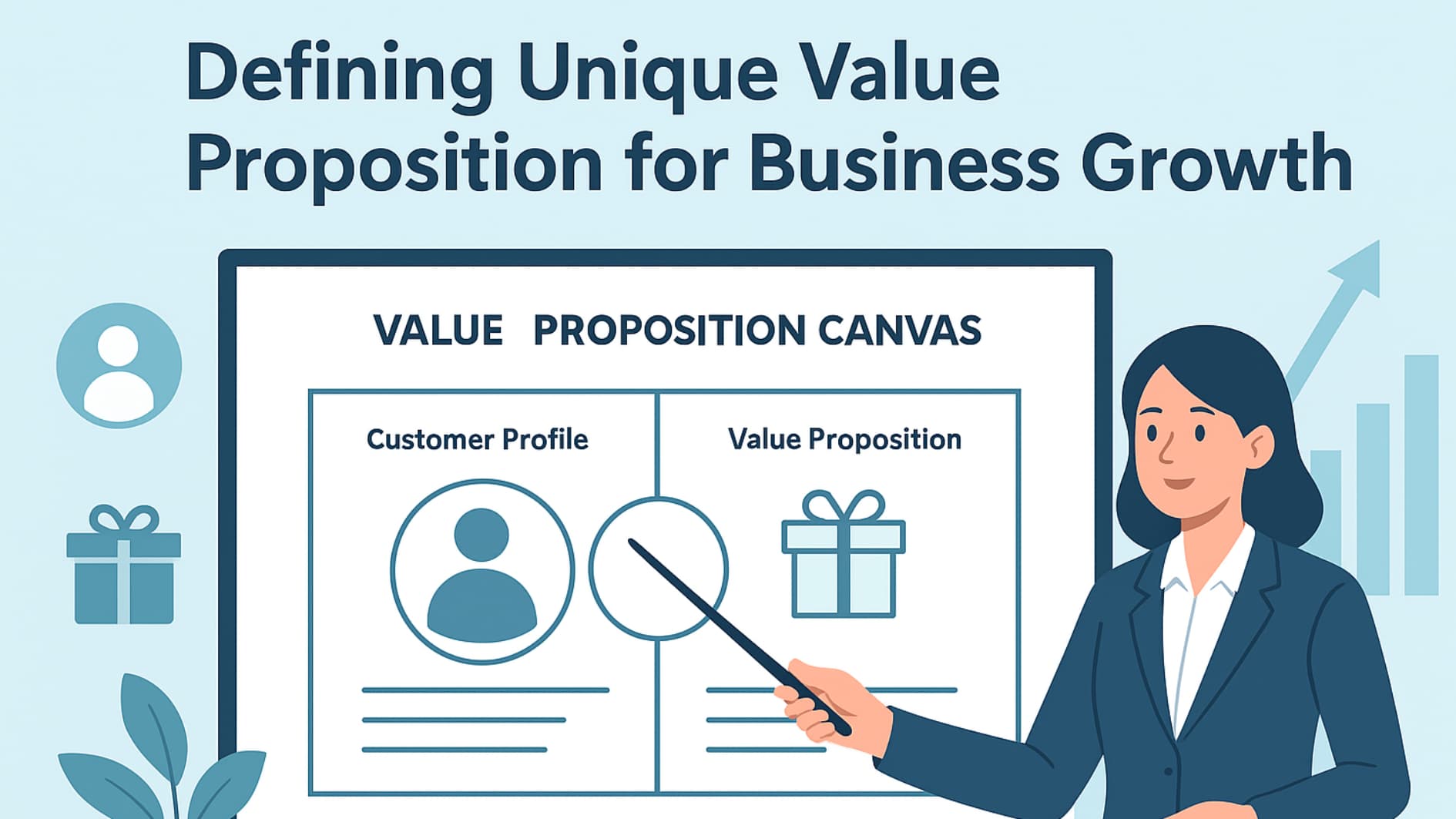
A Unique Value Proposition (UVP) is a clear and concise statement that explains why your product or service is the best choice for your target audience. It tells people what makes you different and how you solve their pain points better than others. When your message is clear, customers understand your value fast, and that builds trust and sales.
At Hyperke, we’ve seen how a strong UVP can reshape how companies grow. If you’re ready to define yours and stand apart from the competition, keep reading.
What is a Unique Value Proposition?
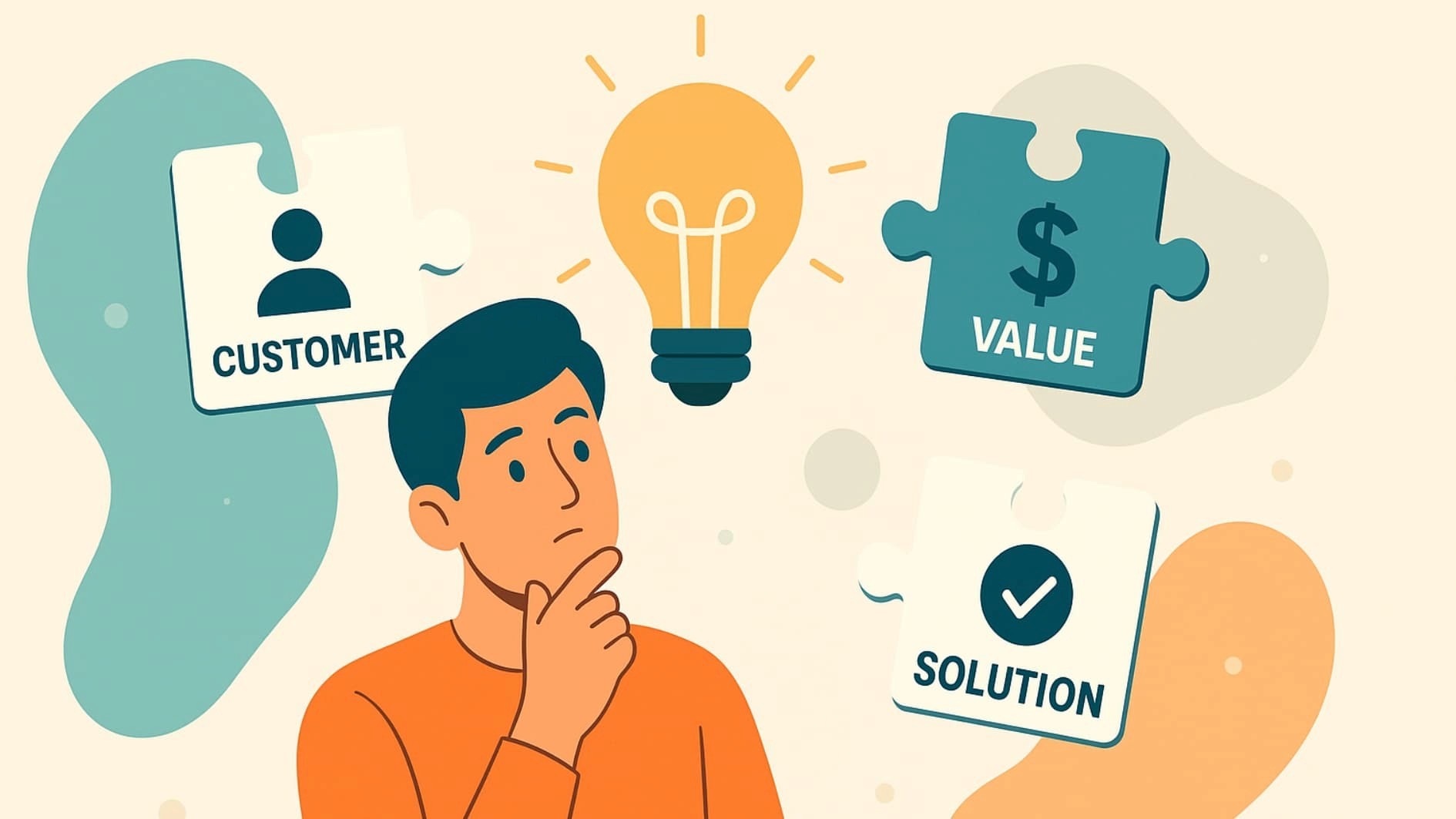
A Unique Value Proposition (UVP) is a short, clear statement that explains what sets your product or service apart. It highlights the main benefit your customers get and shows how you solve their biggest pain points.
Your UVP answers one question:
“Why should someone pick your business over someone else’s?”
It’s not about listing every feature. It’s about describing the core benefit you deliver and why it matters to your target market.
At Hyperke, we help SaaS and service companies grow through performance-driven outbound sales, using strategies like cold emailing and calling. Our unique value proposition is built around measurable results and reliable growth. We don’t just talk about sales; we help you build systems that bring consistent revenue.
A strong UVP is easy to understand, honest, and relevant. It’s the base of your marketing strategy, your social media presence, and your sales conversations.
What a UVP Entails
A great UVP combines clarity, purpose, and your company’s identity. It connects your offer to your customers’ needs and shows them why you’re their best choice.
Here’s what every effective UVP includes:
Clear statement: Explain why your product or service is right for them.
Unique benefits: Highlight what sets you apart from others in your product category.
Problem-solving: Focus on how you solve customer pain points.
Brand experience: Reflect your company’s mission statement and values.
A UVP should be simple enough that anyone reading it instantly gets what you do and why it matters. In fact, research shows that clear value propositions can increase conversion rates by about 13 %.[1]
Pro Tip: Avoid buzzwords. Focus on what you do best and how it helps your customers win.
Key Elements of a Strong UVP
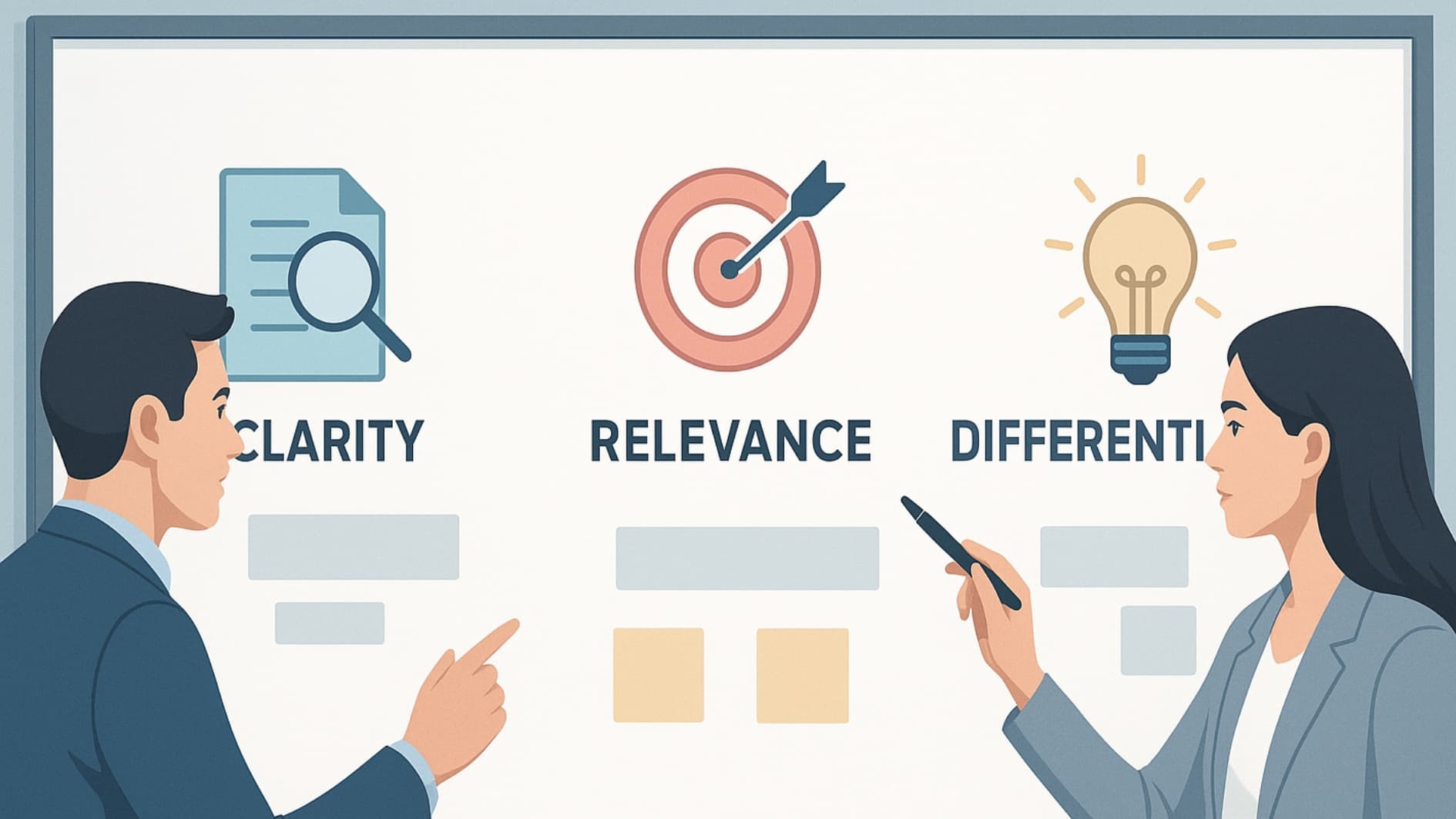
Standout Features
Think about what makes your product or service different. It could be your proven results, unique process, or niche focus.
For example, at Hyperke, our management platform for outbound sales isn’t just another tool, it’s a structured system that helps business owners gain clarity and consistency. That difference makes our offer valuable.
When you define your standout features, you make it easier for potential customers to see why you’re worth their attention.
Problem-Solving
Your UVP should show how you fix real pain points. Customers don’t buy because of features; they buy because you solve their problems.
At Hyperke, we work with companies that struggle to generate predictable sales. Their issue isn’t a lack of effort, it’s a lack of process. Our solution gives them structure and performance tracking that drives real results.
When your UVP highlights how you make life easier or business smoother, it connects emotionally with your target audience.
If generating steady leads feels like one of your biggest pain points, chat with Hyperke’s lead-generation experts to build a system that turns conversations into clients.
Customer-Centricity
Your message should speak directly to your ideal customer. Use simple words that reflect their daily challenges. If your target market is small SaaS companies, focus on the results they want, scalable revenue and a repeatable system for growth.
A strong UVP always centers around what matters most to your customers. The more they feel understood, the more they’ll trust your solution.
Pro Tip: Build your message around empathy. Customers stay loyal when they feel you “get” them.
UVP vs. USP: Understanding the Difference
It’s common to confuse a Unique Value Proposition (UVP) with a Unique Selling Proposition (USP), but they serve different roles.
UVP: Broad and brand-focused. It communicates the overall value you deliver and the experience customers can expect.
USP: Narrow and feature-focused. It highlights a specific selling point or competitive advantage used in direct sales or ads.
You can think of your UVP as your full story, and your USP as one chapter within it.
For example, Hyperke’s UVP focuses on helping B2B companies grow through performance-based outbound systems. A USP could highlight one element of that system, like “Outbound campaigns that deliver booked sales calls within 30 days”.
Both matter, but your UVP is what truly sets you apart in your product category.
The Process for Defining Your UVP
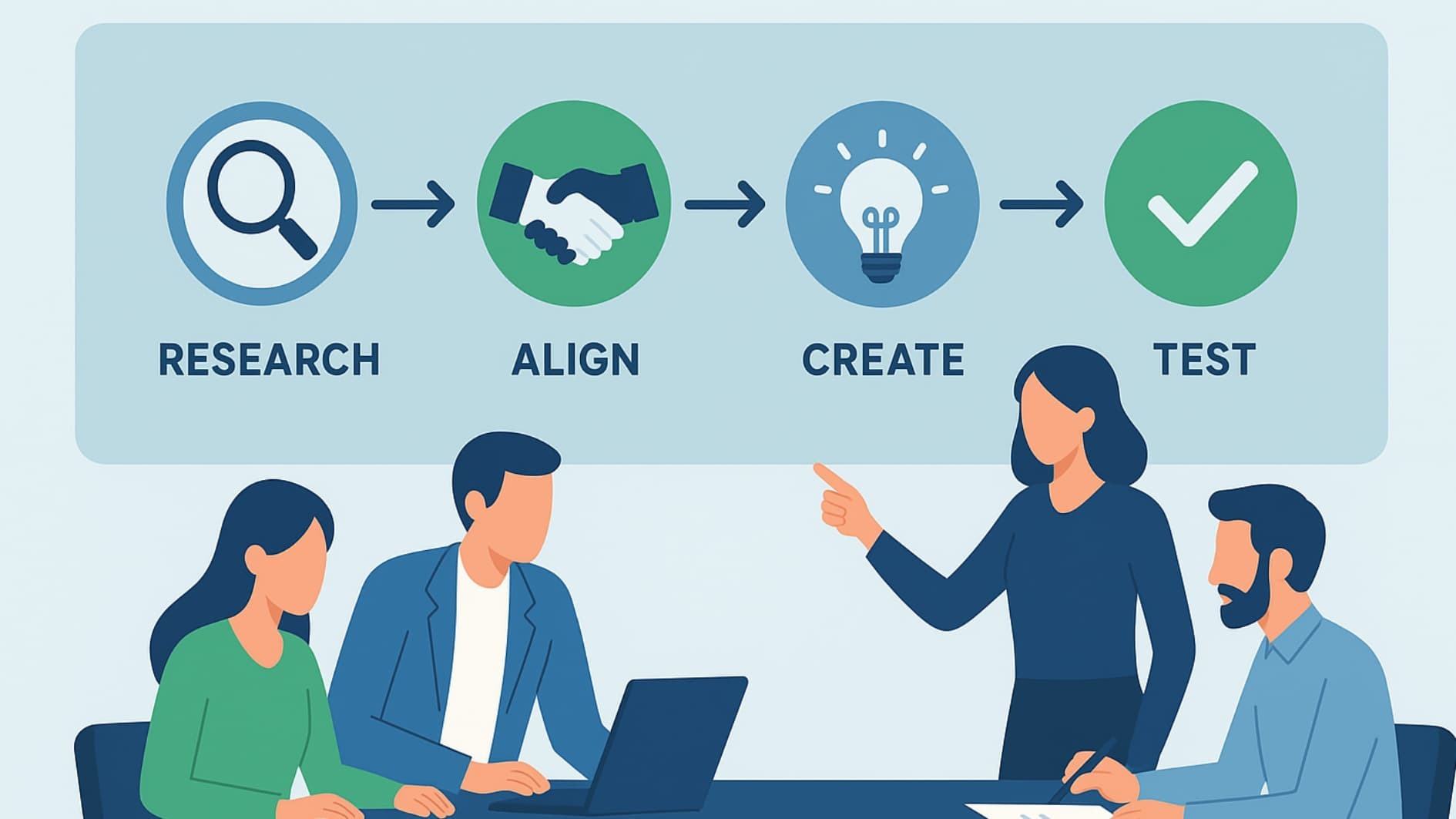
Creating a strong UVP doesn’t happen by accident. It takes thought, testing, and honest reflection. Here’s the process we follow at Hyperke.
Understand Your Target Audience
You can’t write a message that connects if you don’t know who you’re speaking to. Identify your target audience and build a clear customer profile.
Ask:
What are their biggest pain points?
What results do they care about most?
How does our solution fit their goals?
For instance, many small businesses we work with struggle to generate leads that actually convert. That insight helps us shape our message around reliability and measurable ROI.
Pro Tip: Listen to your customers’ words. Their language often contains the key to your UVP.
Analyze Your Competitors
Study other companies in your product category. See what they offer, what they emphasize, and where they fall short.
Find the gaps. Those gaps are where your UVP will stand out.
At Hyperke, we often map competitor offerings using a proposition canvas, it helps us see where our products and services deliver better core benefits or simpler solutions.
Understanding your competition helps you build a positioning statement that’s clear and confident.
Clarify Your Unique Value
Ask yourself:
“What distinctive value do we provide that no one else does?”
This is the moment to define your unique benefits and core benefits. It’s not about claiming to be “the best”, it’s about showing specific results you can prove.
For us, our unique value proposition is simple: we help SaaS and service companies grow faster through performance-based outbound sales that deliver measurable results.
That’s our main benefit, and it defines our approach in every conversation, campaign, and strategy we create.
If you’re ready to scale your business reach and grow through new channels, explore Hyperke’s wholesale expansion service to strengthen your positioning.
Craft Your Message
Now it’s time to put everything together into a clear statement. Your UVP should be short, powerful, and easy to understand.
Avoid long sentences or jargon. Focus on how your product or service improves life or business for your target audience.
At Hyperke, we aim for one line that blends clarity with confidence, such as:
“We help B2B companies build predictable revenue through performance-driven outbound sales.”
It’s simple, relevant, and true.
Pro Tip: Once your UVP is ready, test it. Run a split test with different versions on landing pages, emails, or ads to see which message connects best. Then refine it again with real customer feedback.
Testing isn’t a one-time step, it’s how a strong UVP keeps improving. We run multiple split tests for clients, learning which words spark action and which don’t. According to recent data, about 77 % of companies now run A/B testing as part of their marketing strategy.[2]
Framework for Creating Your UVP
Here’s a simple proposition canvas checklist to help you craft your message:
Identify your ideal customer and their target audience segment.
List the top pain points or problems they face.
Highlight the unique benefits of your product or service.
Show what core benefits they’ll experience after choosing you.
Differentiate yourself from competitors by pointing out your standout features.
Combine everything into one clear statement that anyone can understand.
Example Framework in Action
One of our clients, a SaaS provider offering accounting software for small businesses, was lost in a crowded product category. Their target market wanted something simple and affordable, but competitors focused on features, not usability.
We analyzed their competitors’ products and services, identified their customers’ biggest pain points, and rewrote their UVP to focus on simplicity and cost.
After several split tests, the final message became:
“Straightforward, affordable accounting software designed for small businesses that value clarity over complexity.”
That clear statement made their brand easier to understand, improved conversions, and aligned perfectly with their mission statement.
Real-World Tips for Building a Strong UVP
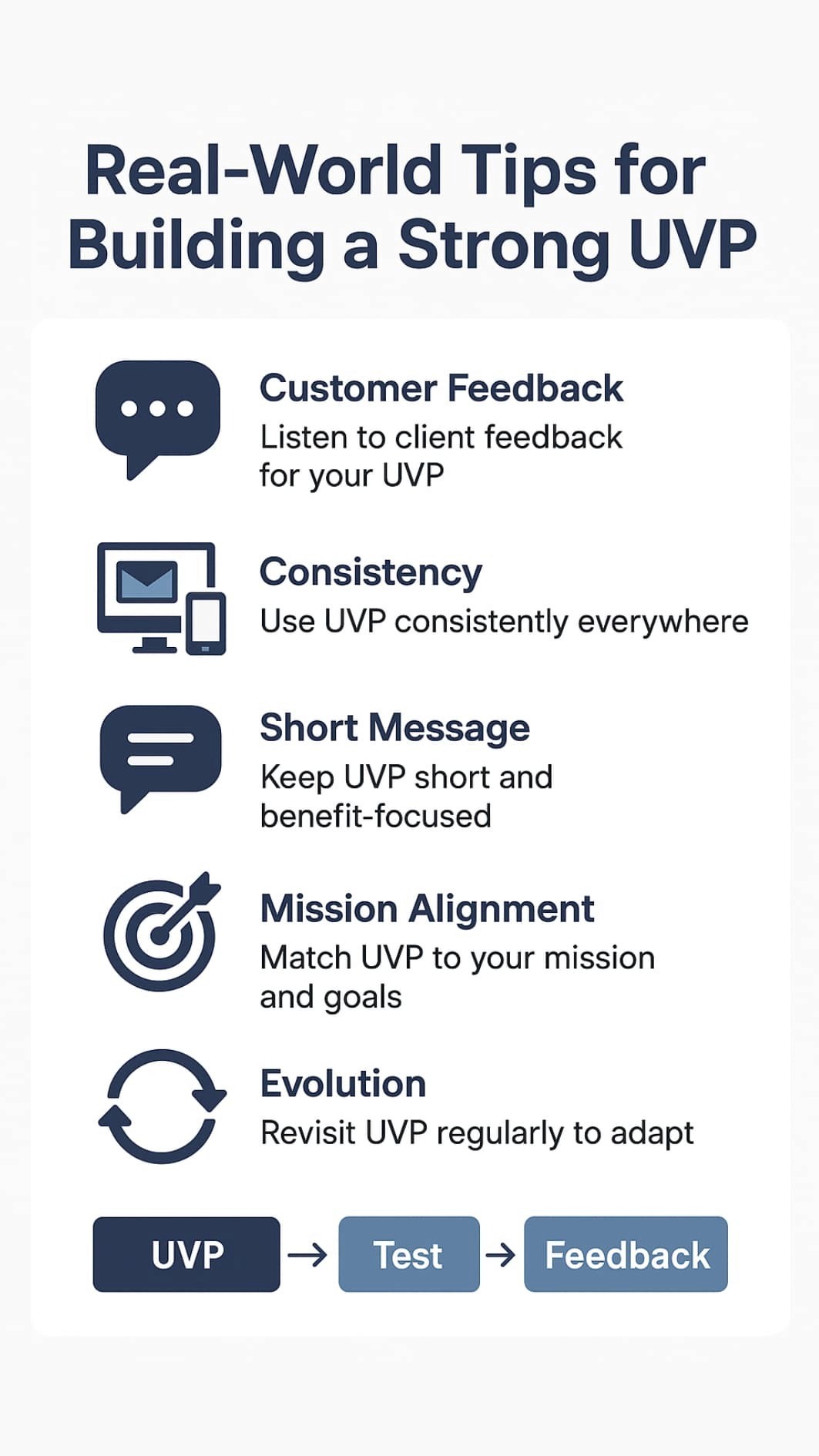
From our own experience at Hyperke, here are a few lessons we’ve learned about creating unique value propositions that work:
Use customer feedback: Your clients often tell you exactly what your UVP should say, you just have to listen.
Stay consistent: Use your unique value proposition across every touchpoint, emails, website, and social media, so people instantly recognize your message.
Keep it short: One sentence with a clear focus on the main benefit works better than a paragraph full of jargon.
Match it to your mission: Your UVP should reflect your mission statement and align with your long term goals.
Revisit regularly: Markets change, and so should your message.
Every strong UVP we’ve written at Hyperke has evolved through testing, feedback, and honest reflection. That’s how we make sure it keeps working for our clients.
FAQ
How do I define a unique value proposition that truly sets you apart?
From our experience, defining a unique value proposition starts with understanding your target audience and their real pain points. Write a unique, clear and concise statement that explains your core benefits and main benefit. A strong UVP shows potential customers why your product or service is their best choice and helps you stand apart from the competition.
What’s the difference between a unique selling proposition and a unique value proposition?
A unique selling proposition focuses on a single selling point or feature that makes a product category special. A unique value proposition explains the broader value, why your products or services solve customer pain points better than others. Together, they show your ideal customer the core benefits and unique benefits that make you the best choice in your market.
How can business owners or small businesses create a strong UVP for their target market?
Business owners can start by analyzing their customer profile and mission statement. From there, they should identify customer pain points and define their competitive advantage. Using a proposition canvas helps shape a clear statement that communicates why their product or service matters. A strong UVP supports the marketing strategy, digital marketing efforts, and future marketing campaigns.
How can we test if our unique value proposition works with our target audience?
At Hyperke, we often split test different versions of a unique value proposition to see which message connects best with potential customers. You can test through social media, email campaigns, or landing pages to gather customer feedback. The split test results help identify which clear and concise message communicates your core benefits and value most effectively.
How does a unique value proposition support long term business growth?
A strong UVP gives products and services clear direction. It connects your mission statement, positioning statement, and marketing strategy. For SaaS companies or a management platform, it highlights the main benefit that solves customer pain points. Over time, that clarity helps build trust with your target market and keeps your product or service as the best choice for lasting success.
Conclusion
A strong UVP gives your business direction and clarity. It shows your target audience what makes you different, how you solve their pain points, and why you’re their best choice.
At Hyperke, we’ve seen how defining a unique value proposition can turn uncertainty into steady growth. When you lead with clarity and purpose, your marketing and sales efforts work together.
Want to build a UVP for real growth? Chat with Hyperke today and start shaping your long term success.
References
https://wifitalents.com/conversion-rate-optimization-statistics/
https://99firms.com/blog/ab-testing-statistics/